
WIND
The Lesson of Weather
You cannot see wind. You can only see what it does.
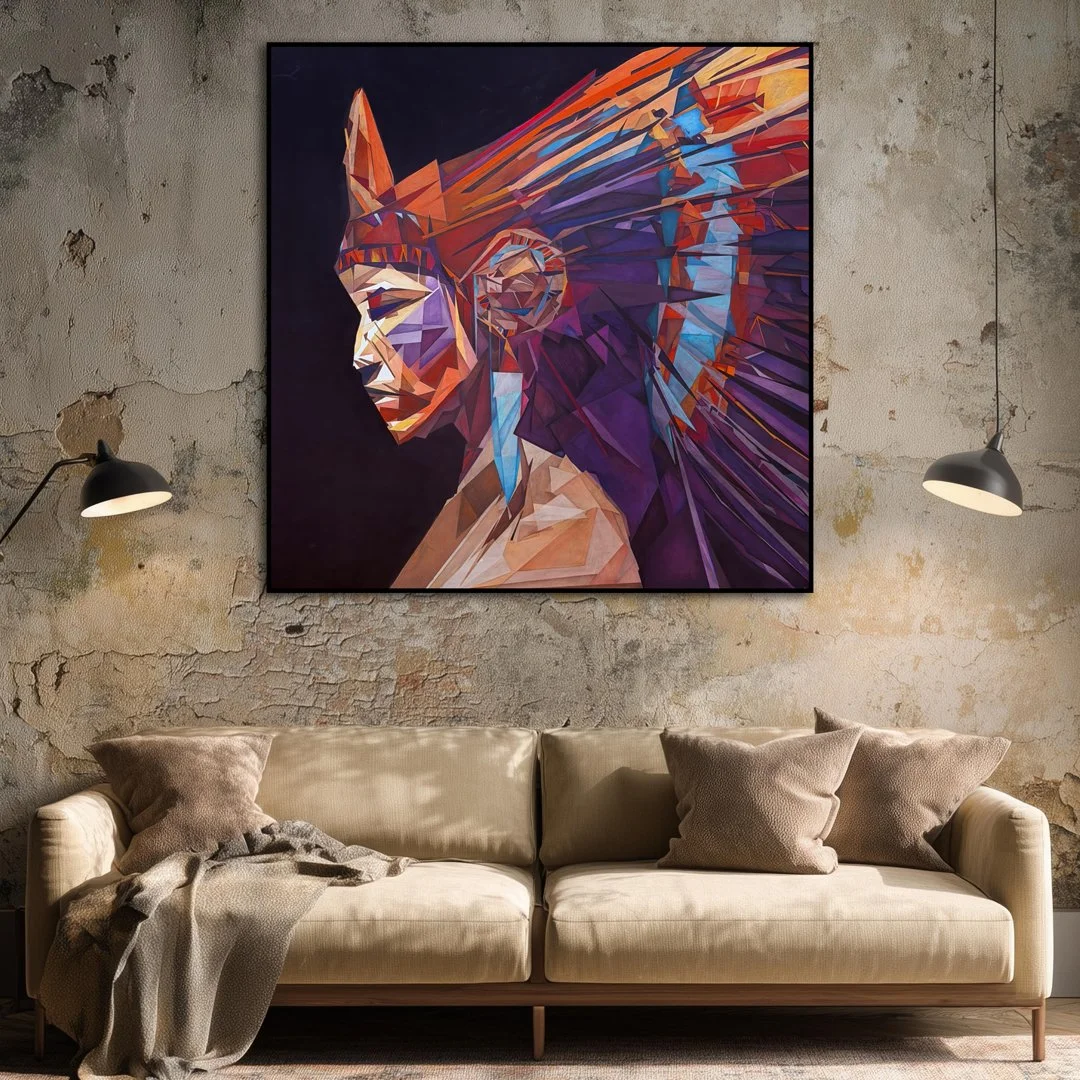
The painting gets the first thing right, the thing most of us get wrong. Wind is not one event. Wind is weather, and weather cycles.
Some days the sky goes black, and the water stands up. Some days the surface is flat to the horizon, and the air holds still. Neither day is the truth about the sea. Both are just what the sea is doing today.
No day can be perfect, and no day stays.
The Wind Is Weather, Not a Siege
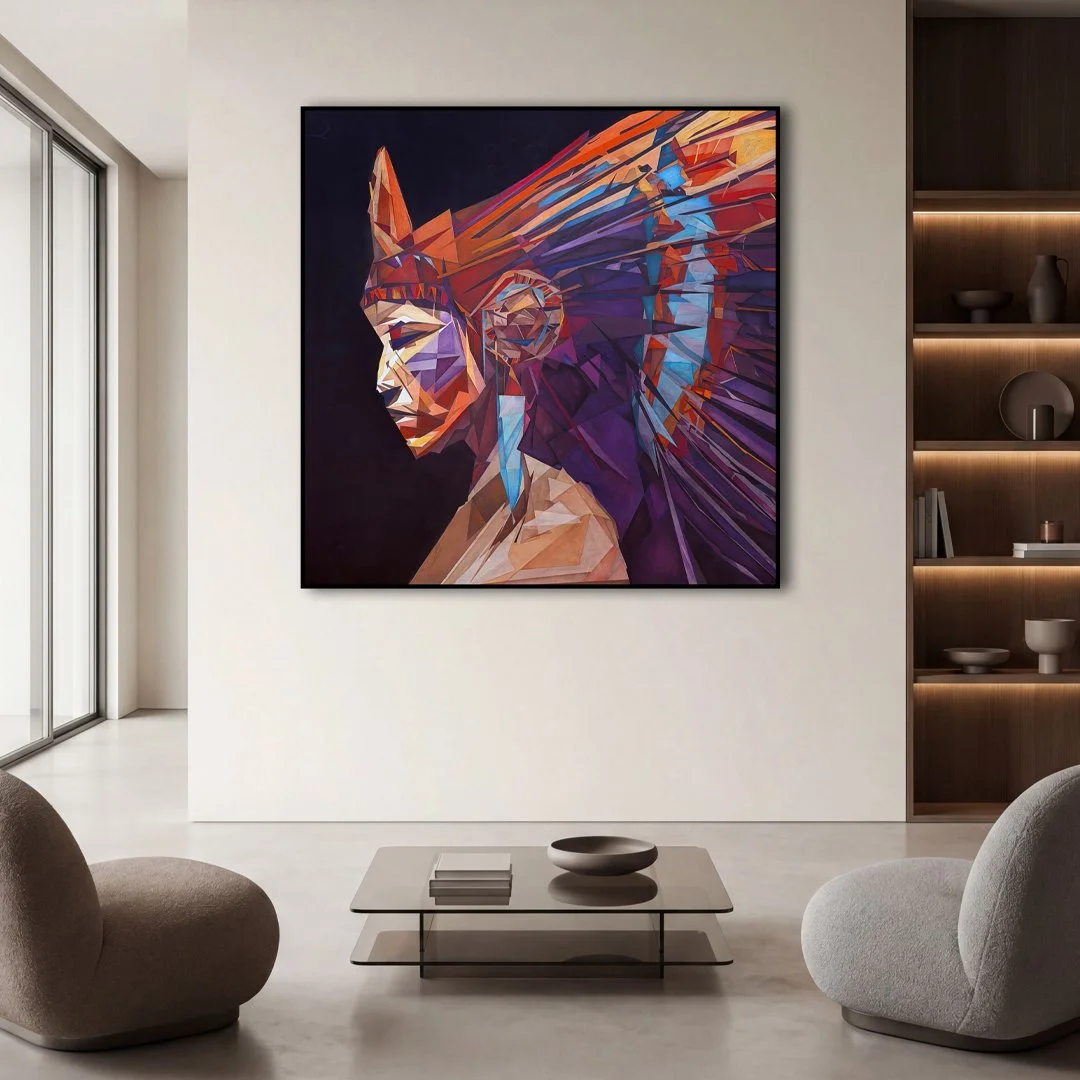
Look at the painting before you look away. The wind is in it, and you cannot see wind. You can only see what it does.
Here is the first thing the painting gets right that most of us get wrong. Wind is not one event. Wind is weather, and weather cycles. Some days the sky goes black, and the water stands up; other days the surface is flat to the horizon, and the air holds still. Neither of those days is the truth about the sea. Both are just what the sea is doing today.
We are trained to read our storms as verdicts. The bad stretch means something is wrong with us. The good stretch means we have finally arrived, and we grip it, and we panic when it moves. The teaching underneath the painting is simpler and much heavier: every day cannot be perfect, and no day stays. Storms come. Calm comes. Neither one is permanent, and the person who can hold both facts without flinching is the person who makes it through.
I painted Wind first because it is where a real life begins. Not with certainty. With weather.
The Sailor Does Not Go Around the Storm
There is a reason sailors are the old teachers of this pillar. A sailor cannot argue with a storm, reschedule it, or outwait it at the dock. A sailor has to move through it. He reads it, sets his course, reduces sail to what the wind will allow, straps down what has to survive, and then he goes in. Not because he is fearless. Because the sea does not offer the exit he would prefer.
Everything in the human life we call a hard time works the same way. A loss. A diagnosis. An economy. A person leaving. No route skips the weather, and searching for one is how people lose years they could have spent sailing. You cannot go around it. You go through it; the passage is the passage, not the detour.
That is not passivity, and it is not bravado. It is navigation. The sailor does not fight the storm or surrender to it. He keeps his hand on the wheel and lets the boat do what boats are built to do.
The Tree, Restated
The counsel in these traditions comes to this: the tree that will not bend is the tree that breaks. Old growth survives storms that flatten younger, stiffer things. Not because it is stronger. Because it has practiced small yields for decades, and no single gale has to be absorbed all at once.
We are trained badly against this. We are told to hold our ground, that yielding is weakness, that changing your mind means losing something. So we stand, rigid, in the middle of a life that is mostly weather, and we wonder why we keep breaking.
But read what the bending actually is. A tree that bends in a storm is not defeated. It rides it out; the bending ends when the wind ends, and then it stands back up. The bend is the shape of a thing that intends to still be there tomorrow. Brittleness dressed as strength is the most common way a person fails.
Staying the Course Without Fear
Here, the pillar asks for something harder than courage. It asks for calm.
Fear is not the problem. Fear is information, and a sailor who feels none in a real gale endangers his crew. The pillar seeks something deeper than fear: the settled knowledge that the storm is a passage, not a destination, and that a new day is coming whether or not you can see it from the trough of a wave.
That is what faith means here. Not the belief that nothing bad will happen. The belief that the weather turns, because you have lived through enough weather to know it turns. Faith in this pillar is not optimism. It is memory.
The person who has this doesn't need calm to arrive before they can act. They act in the middle of it, with reduced sail, exactly the amount a storm allows. And when the wind drops, they are still there, still on course, and the morning comes up flat and gold the way mornings do.
What Fear Does to the Body
Now the part that matters most, because it decides whether any of this is philosophy or biology.
Fear has a body, and the body doesn't ask first. When the brain reads a threat, the amygdala fires, the sympathetic branch of the nervous system takes the wheel, and the adrenal glands pour adrenaline into the blood. The heart speeds up. Breathing becomes shallow and rises into the chest. The pupils widen. Digestion shuts down, because digesting lunch is not a priority when something might eat you. And the vessels in the hands, the feet, and the skin constrict, which is why fear makes them cold and clammy, while blood is pulled away from them and pushed into the large skeletal muscles in the legs and the trunk.
That last one is the whole story in miniature. The system runs an old program written for open country and real predators, built on one assumption: you are about to run. So it spends everything it has on the parts that run and defunds the parts that do not. The muscles get the supply. The gut, skin, immune surveillance, repair work, and the long, slow housekeeping of a body at rest get put on hold.
And the mind goes with it. Under sympathetic load, the prefrontal cortex, the part that does your reasoning, planning, and patience, takes a measurable back seat while faster, older circuitry takes the lead. Blood and activation shift toward the alarm systems. This is why a frightened person makes narrow decisions, repeats themselves, and cannot access what they know. It is not stupidity. It is resource allocation, temporary, and designed for exactly one kind of emergency: the kind you can outrun.
Here is the honest problem with that. Almost nothing that frightens a modern person can be outrun. A diagnosis does not chase you. A layoff does not chase you. A difficult conversation does not chase you. The response fires anyway, because the body reads threat the same way it always did, and then it stays on, because the threat never resolves. Fear mode is a sprint protocol, and most of us try to live our entire lives in it.
Run that program for years instead of seconds, and it stops being an event and becomes a condition. Sleep degrades. Digestion stays compromised. Blood pressure climbs. The immune system gets sloppy in both directions. Repair work is never scheduled, because the body never receives the signal that the emergency is over. A nervous system that cannot return to baseline is, mechanically, a body that is quietly shutting down its own maintenance while it waits for a threat that never leaves.
So when this pillar says the body must learn to be calm, it is not asking for a mood. It is asking you to stop running a program that is expensive, mismatched to your actual life, and unfinished.
Calm Is a Skill the Body Can Learn
The good news is that this is not a matter of willpower, and it is’t something you talk yourself into. It is a physiological event, and the body has a direct line to it. The line is breath.
Breath is the one autonomic process you can manually control, and controlling it changes state. Slow your breathing, especially the exhale, and vagal afferents carry that signal from the lungs and heart up through the brainstem to the prefrontal cortex. Vagal tone rises. Heart rate variability rises with it. Breathing at roughly six breaths a minute, about five or six seconds in and five or six seconds out, is the widely studied sweet spot, and the research shows measurable shifts in both autonomic state and the connectivity between the prefrontal cortex and the insula. You are literally breathing yourself into a different processing mode.
The effect on the mind matters most for this pillar. When vagal tone is higher, the prefrontal cortex is more engaged, and the alarm circuitry is quieter, so decision-making and emotional regulation come back online. The frightened person making narrow choices is not a fixed fact about them. It's a state, and they can change it from the inside with a breath cycle they have practiced until it is available under pressure.
That is what calm means in this pillar. Not fear's absence. Fear will come, and it should. Calm is the trained ability to bring the system back to baseline while the storm is still going, so that the storm ’t get to spend your body and your judgment for you. A calm person in a gale is not braver than a panicking one. They are just holding a nervous system that still has its full equipment available.
This is a skill. You build skills through small amounts of practice over time, on ordinary days, for the same reason you don't learn to sail in the middle of a storm. You learn it in calm water until it is yours, and then it comes with you.
Why the Painting Does This
The last piece is the painting itself, where the art stops being decoration and becomes equipment.
A field called neuroaesthetics has a simple finding: viewing art engages the visual system, the brain's reward circuitry, and the default mode network at the same time. The default mode network is the set of regions that come online when a person is doing something inward, connecting what they see to memory, self, and meaning. And it’s engaged equally by everything. Work a viewer finds genuinely moving pulls the default mode network into contact with the act of looking. Work that doesn't get a shallow response, and the mind drifts away.
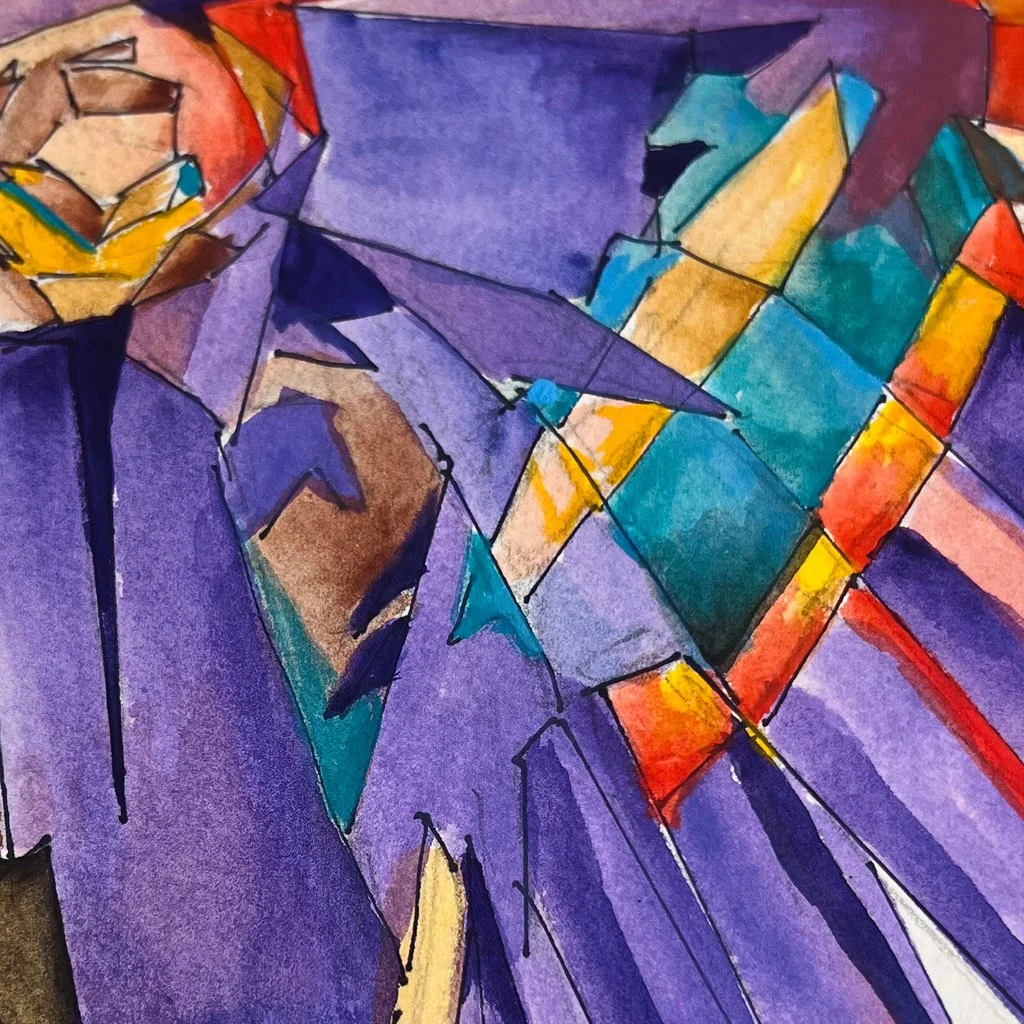
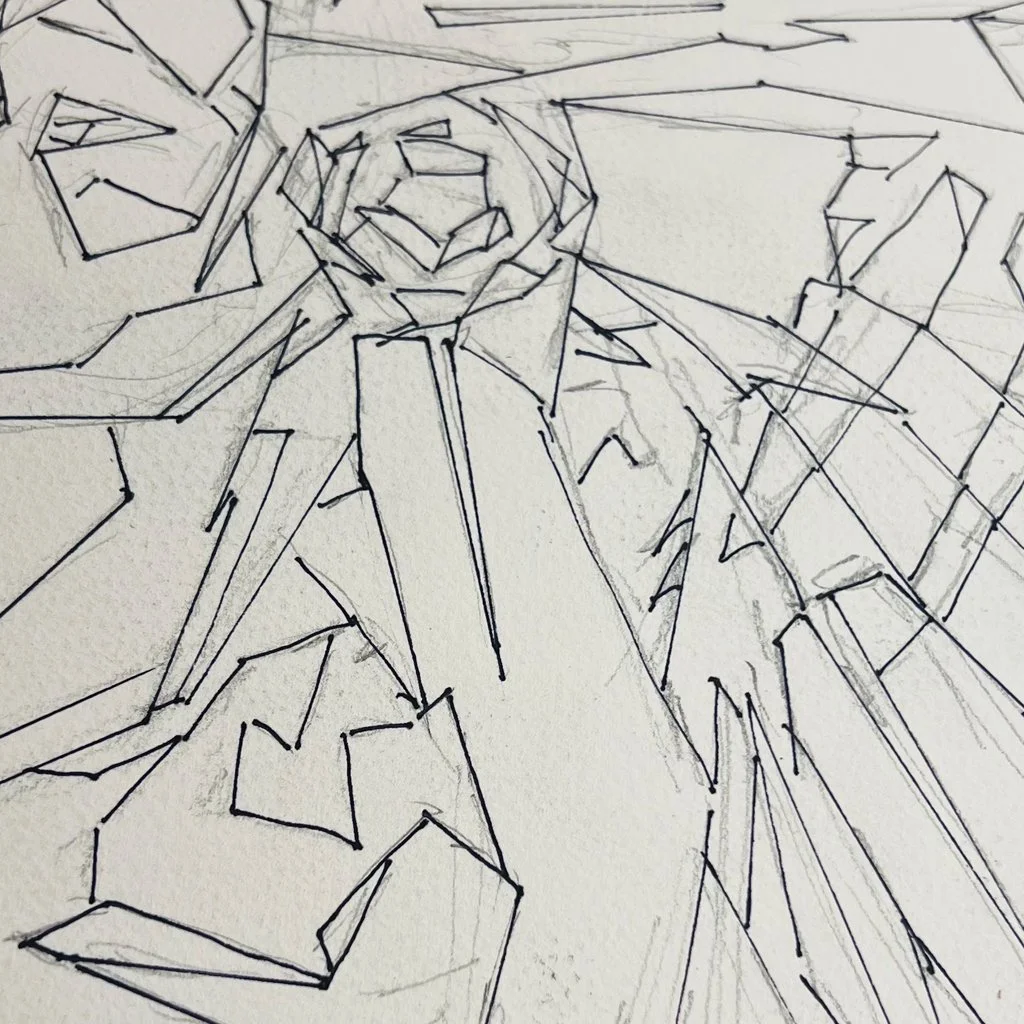
That finding is why these surfaces are built the way they are. A hand-made painting carries microtexture, variation in the pigment, evidence of a real object made by attention over a long period, and the nervous system reads that physical history before the mind has a word for it. This has a name too: embodied cognition, the fact that your body participates in thinking rather than receiving a report from it. You do not look at the painting and then conclude that wind is a force you can stand in. Your posture registers the pressure first.
Put the two halves together, and the mechanism of this pillar falls out. A brain in fear mode runs a narrow sprint program with the frontal equipment partly offline, and a person in that state cannot register a lesson about weather because they cannot afford the bandwidth. A brain in a calm, engaged, embodied state is doing the opposite. The default mode network is active and connecting what it sees to what it knows. The frontal regions are online and available. That is the state in which meaning actually lands, and the painting is built to produce it.
So the painting is not a picture of a calm person. It is a way of getting the viewer's body into the state the lesson requires before the lesson is even read. The cool palette, the shattering planes of the headdress, the profile that refuses to look at you because it is busy staying upright in weather. None of that is meant to be understood. It is meant to be registered. And the registration happens in the body, the same instrument the storm will test.
That is the interface doing its work, on this pillar more than any of the other three. The teaching is about whether a nervous system can hold steady inside a moving world. The painting reaches the nervous system directly, and gives it a rehearsal.
Both Halves of the Cycle Are Hard
Most of us assume the storm is the hard part. It is not the only one.
The calm is hard in its own way, because it's when we relax our grip and forget what the weather can do, and when we start to believe the good stretch proves we have been chosen. Then a storm comes, and we take it as betrayal. The person who has learned the cycle takes the calm as a gift and keeps their hand near the wheel.
That is why the painting is cool and quiet. Wind is the quietest of the four in color. The lesson is not the storm's spectacle. It is the steadiness that doesn't depend on which way the wind blows. A person being tested has no attention to spare for an audience, and the figure in profile is not looking at you. It is not fighting and it is not panicking. It is holding something the wind cannot reach.
The Lesson
Wind comes first because you cannot skip it. You don't get to learn presence, survival, or duty until you have met forces you can’t control. The universe does not ask permission before teaching this. It simply requires that you learn it.
The lesson, all of it, in five lines:
Weather cycles. Plan for both halves. No day is perfect, and the good won’t last either. Believing otherwise is what makes the bad days feel like verdicts.
You do not go around the storm. You go through it. The sailor takes the weather he is given and moves through it. No shelter stops the wind, and searching for one is how people waste a decade.
Bend to stay standing. The tree that snaps is not strong. It is brittle, and brittleness dressed as strength is the most common way people fail. To bend is to stay rooted while the world moves. Every above-ground thing will sway, be stripped, and bent into shapes it did not choose. Root is what remains.
Calm is the skill, not the absence of fear. Fear is information. Underneath it you can hold the settled knowing that this is a passage and the weather turns. You have seen it turn before.
Stay the course and a new day comes. Reduced sail is still sailing. Hold your line through the dark, and when the wind drops, the morning comes up flat and gold, as mornings do.
An older layer is here too: wind is breath, and breath is spirit. The same word often carries both. Every tradition that has sat with the mystery of being alive has noticed that something comes and goes through us without our permission, and that when it stops, so do we. So wind is not only what tests you. It is the evidence that you are alive. Something is moving through you right now that you did not summon.
Both facts are the same fact seen from two sides: you are part of a system, not the author of one. The person who learns that becomes steady almost by accident. Not because they decided to be tough, but because they stopped spending energy demanding that the weather hold still. That energy went into staying the course.
Wind awakens the spirit. It is the beginning.