CRUSH
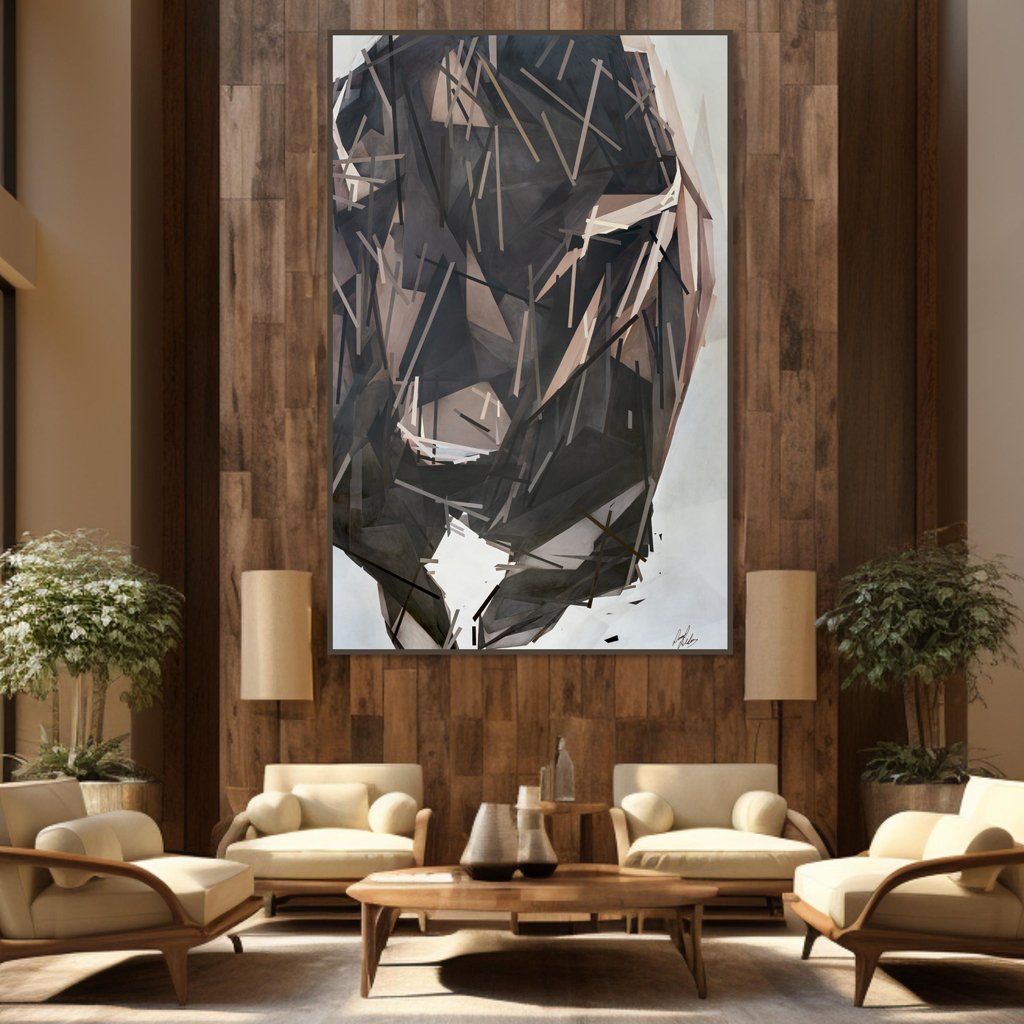
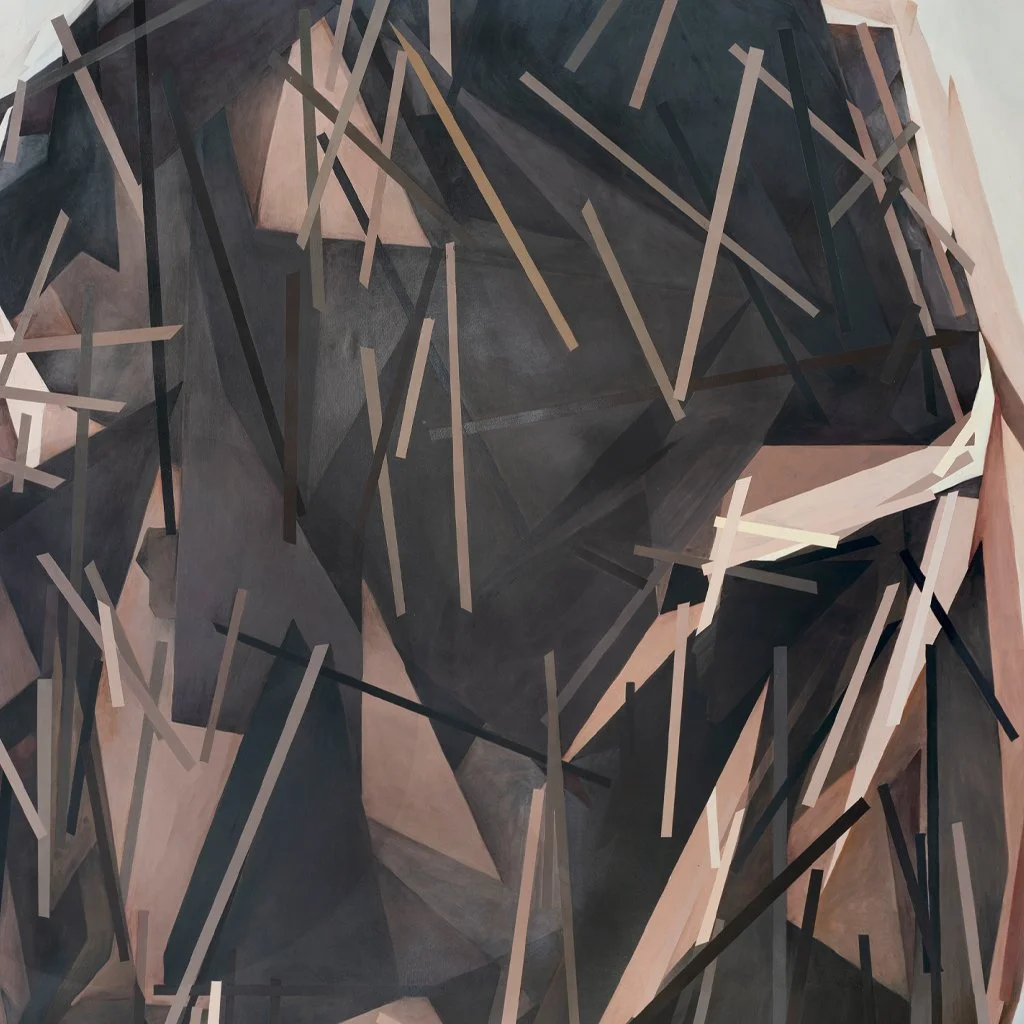
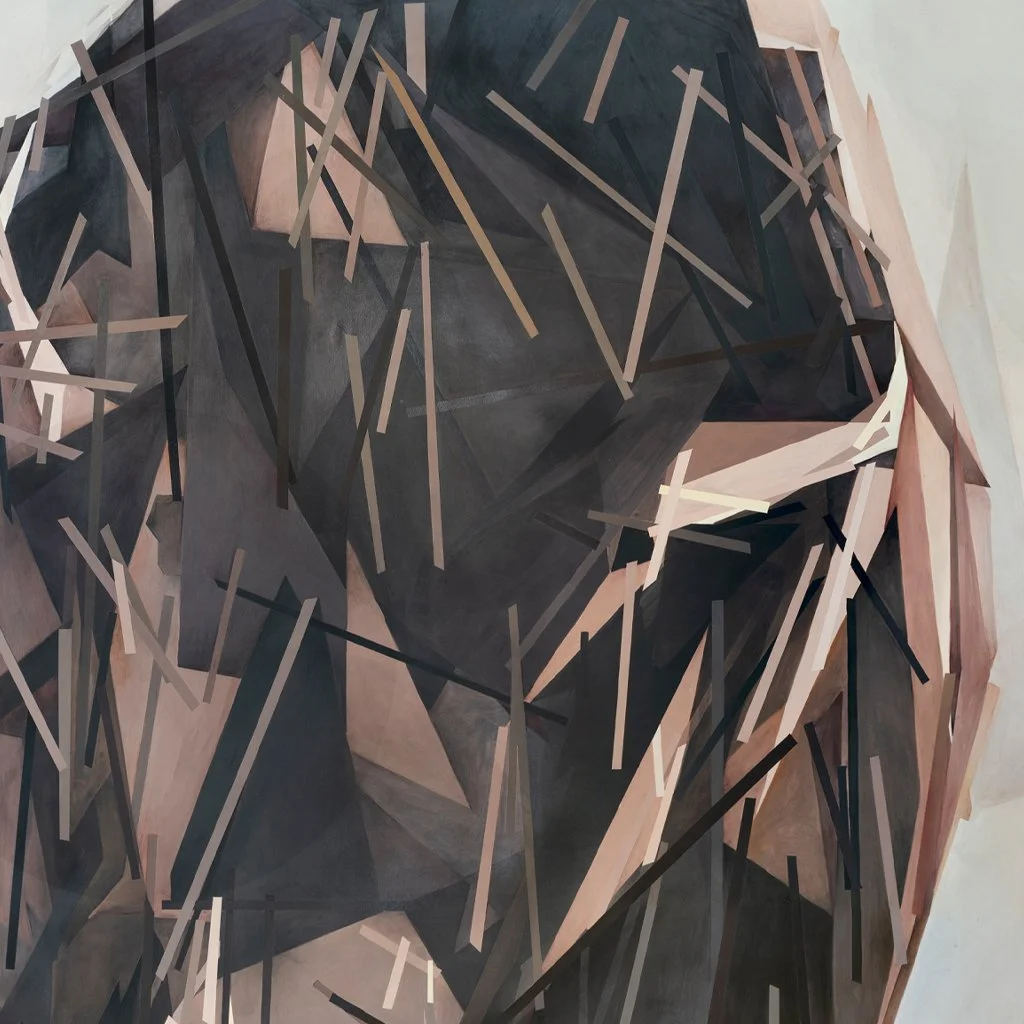
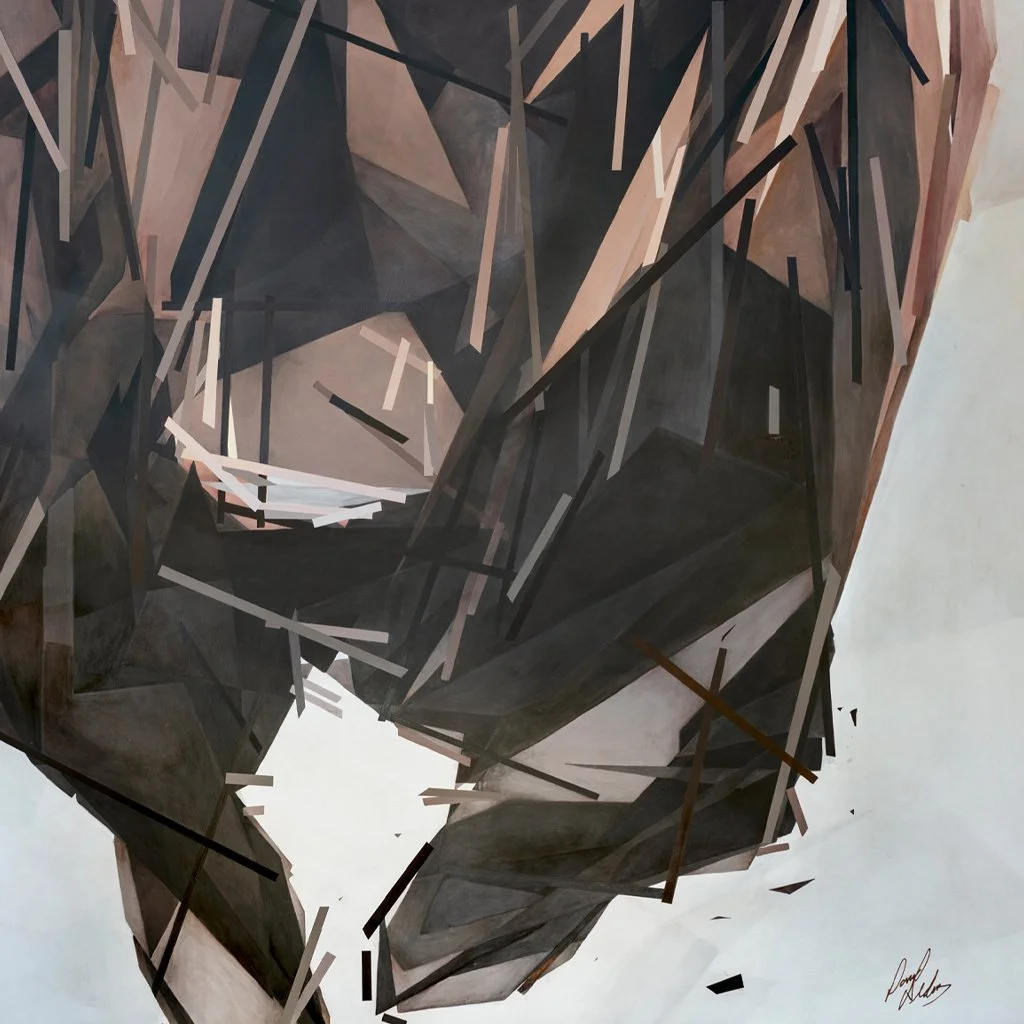
You stand in front of it and your brain starts working immediately. Triangles, geometric planes, angular forms - but something massive is emerging. Then it resolves. Bison. And not just any bison - you recognize the weight, the power, the sheer physical presence of the animal. When that recognition hits, your body responds. There's a subtle shift, maybe a step back, an instinctive acknowledgment of scale and force. Your physiology changes because your brain just understood what it's looking at.
This is form constancy in action. Your visual system took geometric information and constructed one of nature's most formidable creatures. The recognition itself triggers the response - not the shapes, but what your brain built from them.
What's Actually Happening
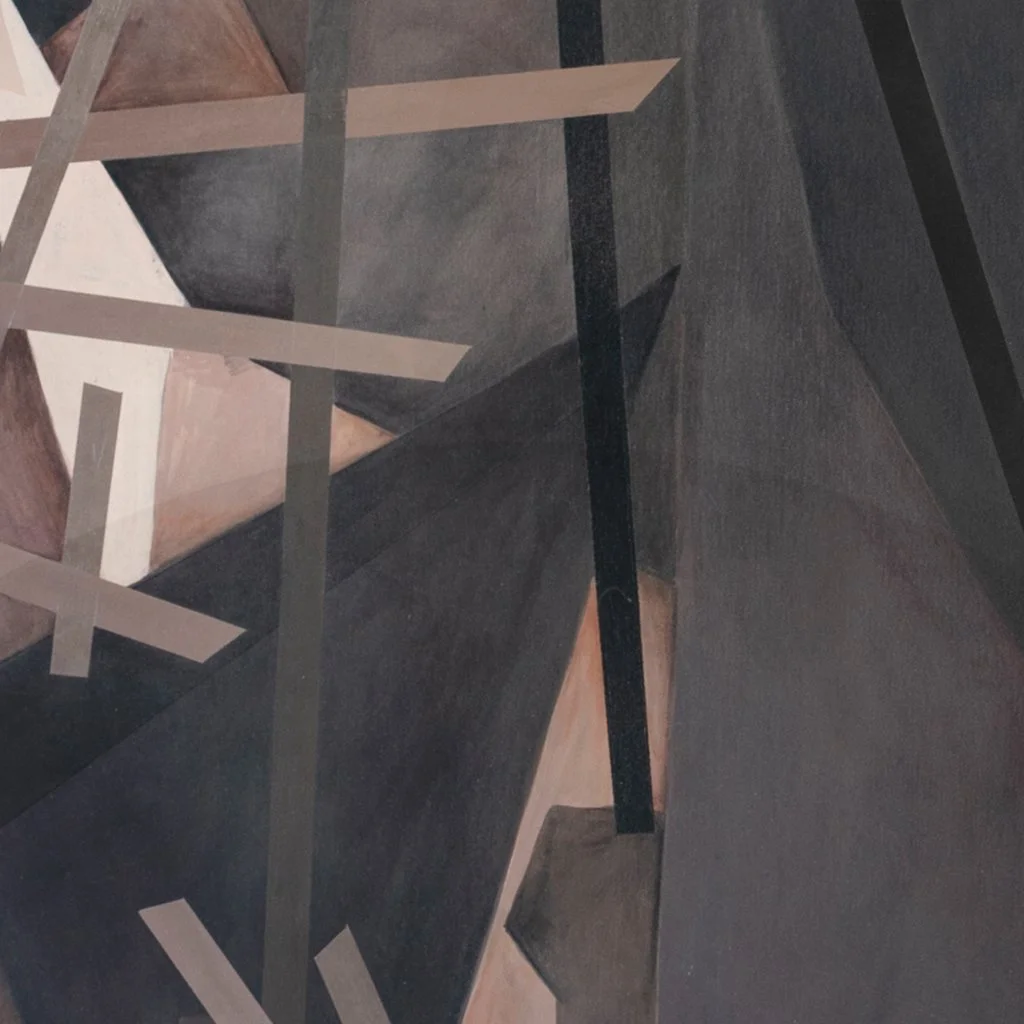
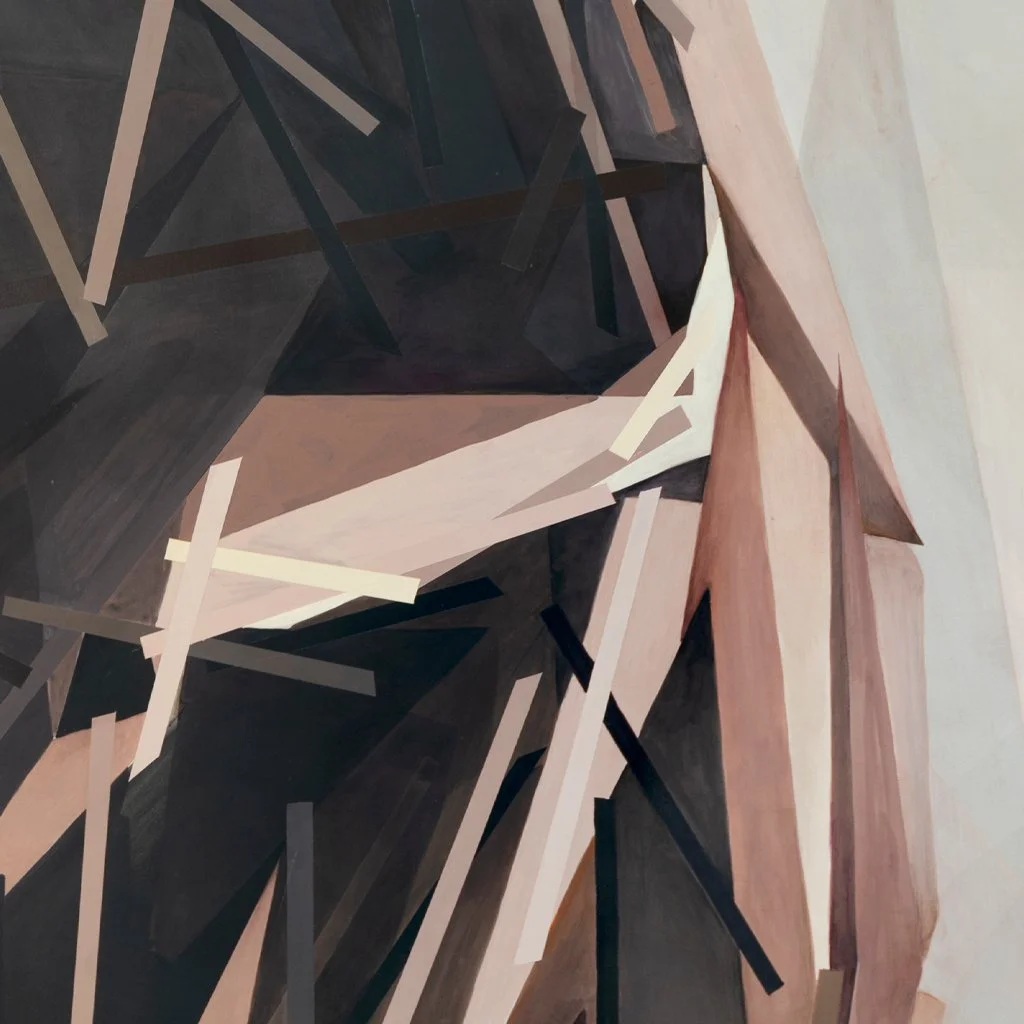
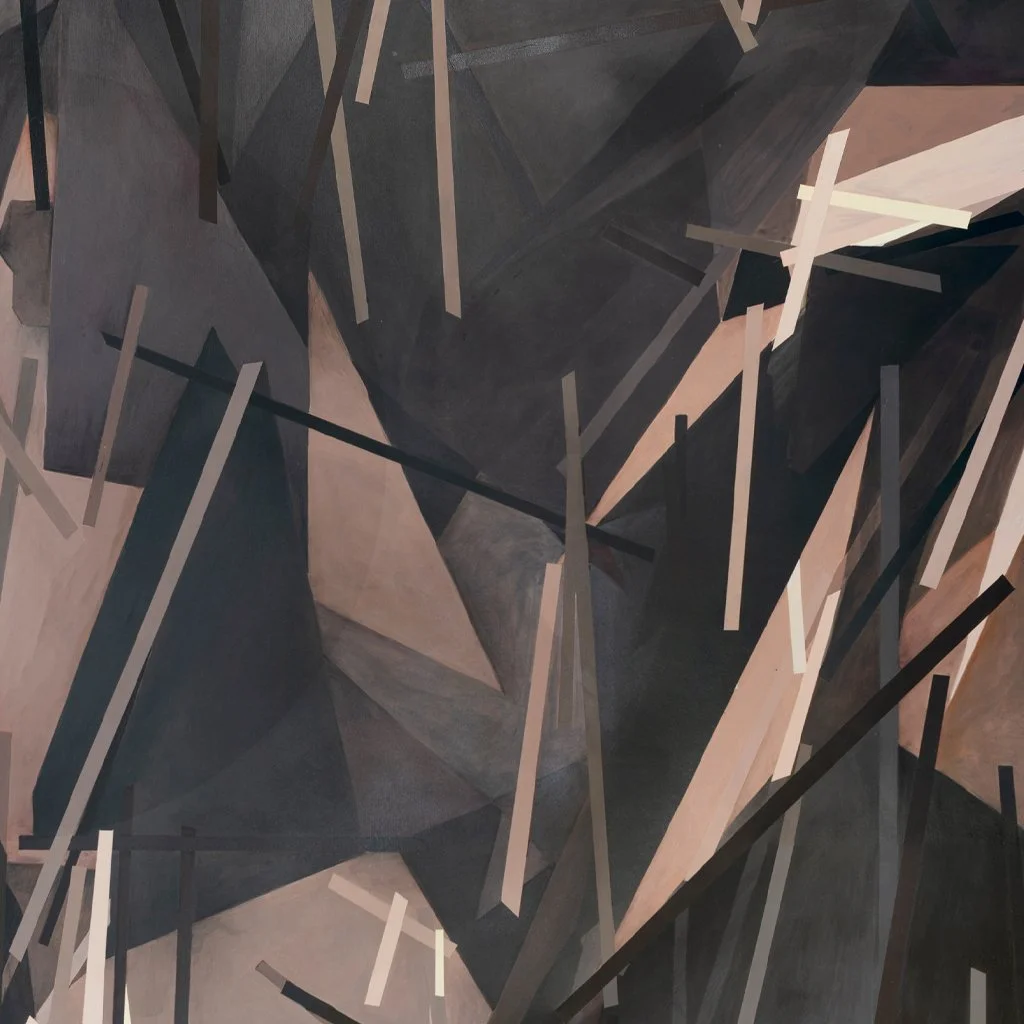
This piece is a textbook example of form constancy - your brain's ability to recognize a subject regardless of how it's presented. The bison isn't rendered photographically. It's constructed from triangular geometry, from planes and angles that give your visual cortex exactly the information it needs to recognize the form.
Each triangle is data. Direction, mass, spatial relationship. Your brain takes these geometric pieces and assembles them into "bison" - and not just the concept of bison, but the specific physical reality of this animal. The bulk. The lowered head. The compressed power of a creature that can weigh a ton and move like an explosion.
When your brain achieves that recognition - when it successfully constructs the subject from the geometric information - that's when your neurophysiology shifts. Professor Semir Zeki's research documents this precisely: the moment your visual system resolves forms and achieves constancy, measurable changes occur in your neural activity. You're not reacting to triangles. You're reacting to what you've recognized.
The geometry does something remarkable here. It strips away photographic detail and gives your brain only what it needs to construct the essential form. This is actually closer to how your visual system works naturally - your brain doesn't process reality like a camera. It extracts geometric relationships, spatial information, form constancy. It builds understanding from geometric data.
The triangular forms aren't arbitrary. They're the precise geometric language your brain uses to understand mass, direction, and physical presence. The angular planes communicate weight and solidity. The directional vectors show movement and force. Your visual cortex reads this information and constructs not just "animal" but specifically "bison" - sacred beast, massive force, creature that commands respect.
The Artist's Vision
The bison is a sacred beast - an animal that carries cultural weight, historical significance, and undeniable physical power. "CRUSH" captures that through pure geometric form. The title isn't metaphor - it's what a bison can do, what its presence communicates, the force it represents.
The geometry lets your brain do what it evolved to do: recognize forms from essential information. You don't need photographic realism to understand "bison." You need the geometric relationships that define mass, power, and presence. Your visual system takes those triangular forms and constructs the complete picture - and when it does, when recognition happens, your body responds to what you've understood.
This is form constancy working exactly as neuroscience predicts. The geometric information is sufficient for recognition. The recognition triggers the physiological response. You step back from "CRUSH" not because triangles made you feel something, but because your brain just recognized a ton of animal power, and your body responded accordingly.
This is how vision actually works. Your brain constructs reality from geometric information. "CRUSH" makes that process visible - and in doing so, creates the documented neurological shift that happens when geometric form becomes recognized meaning.