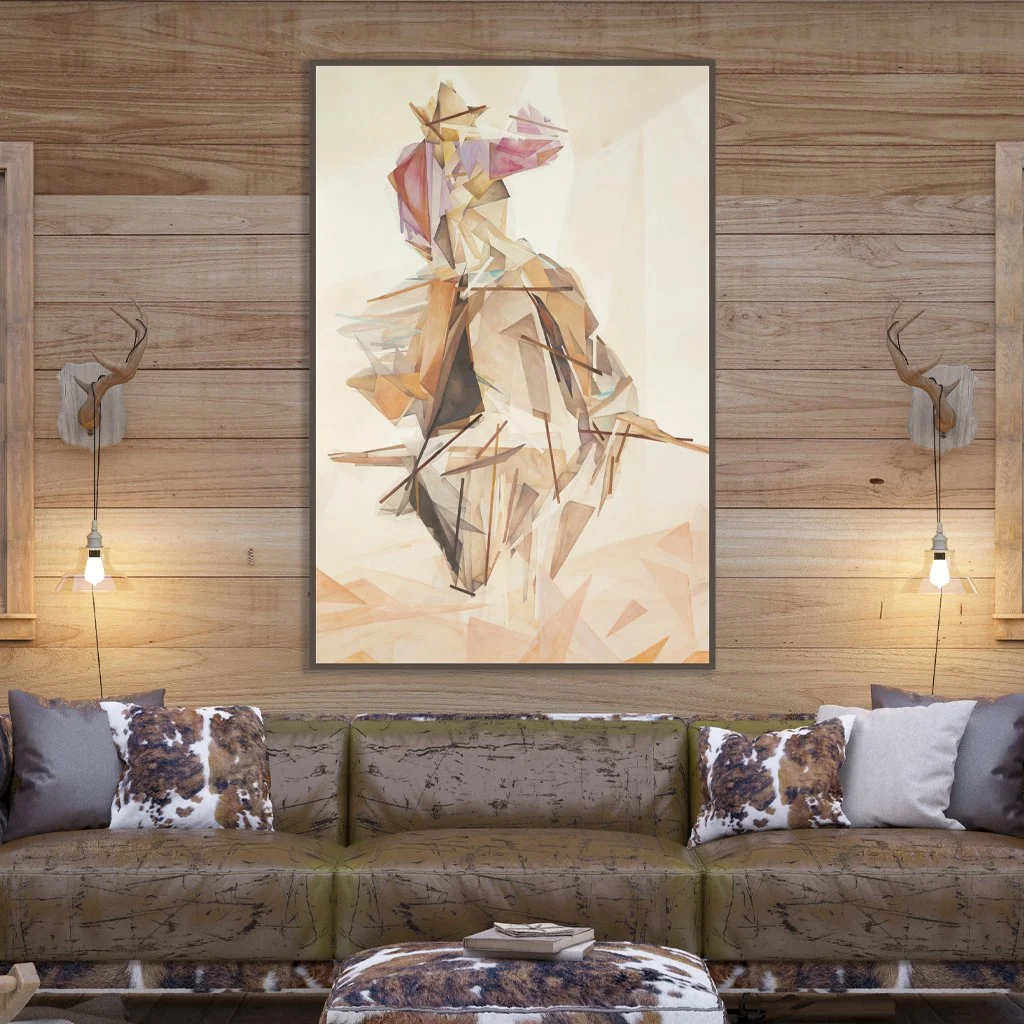
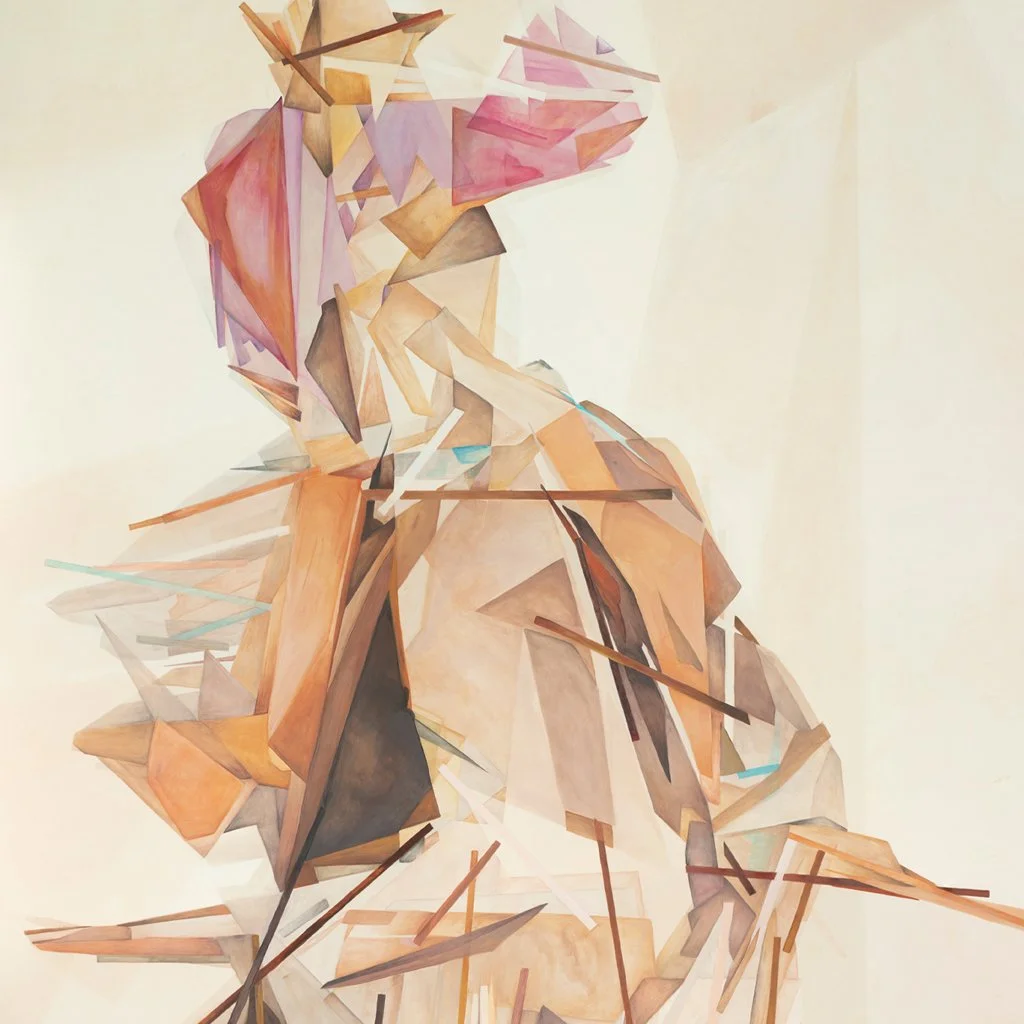
STORM
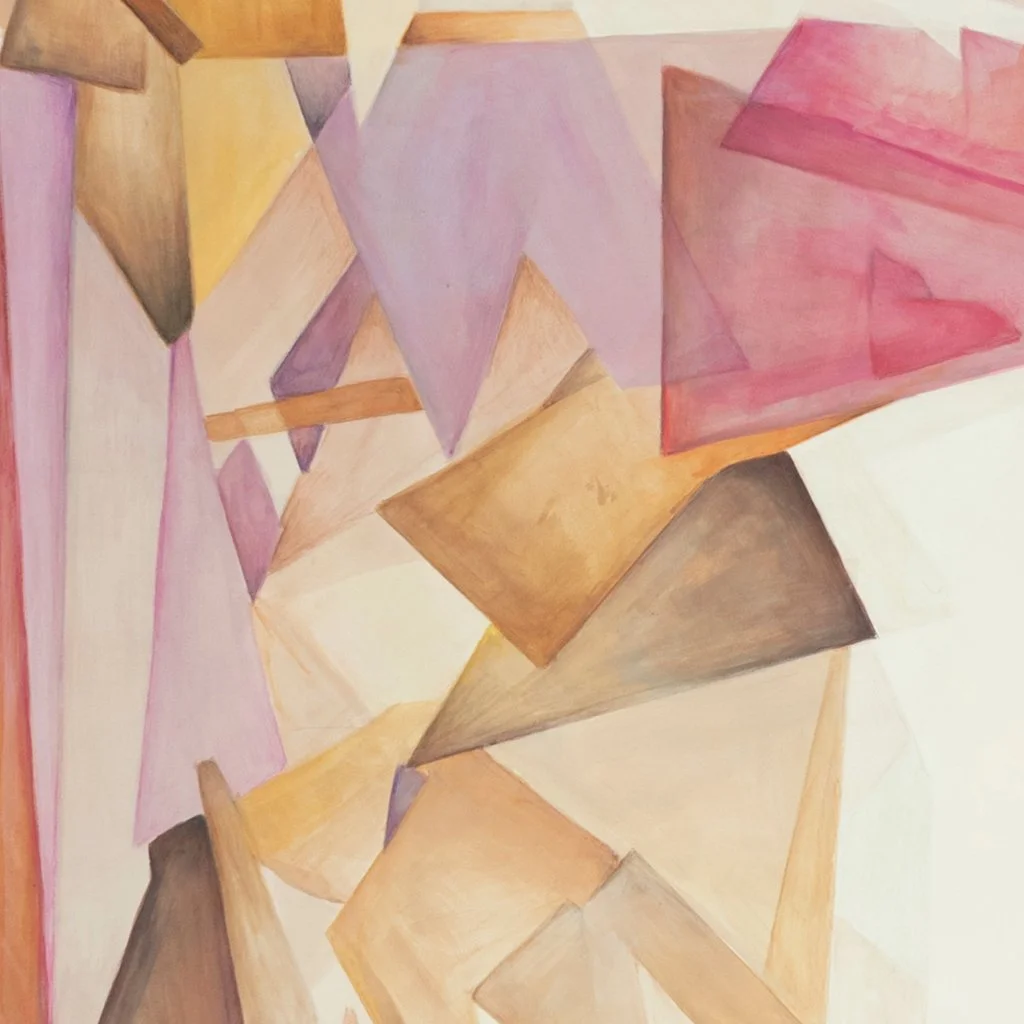
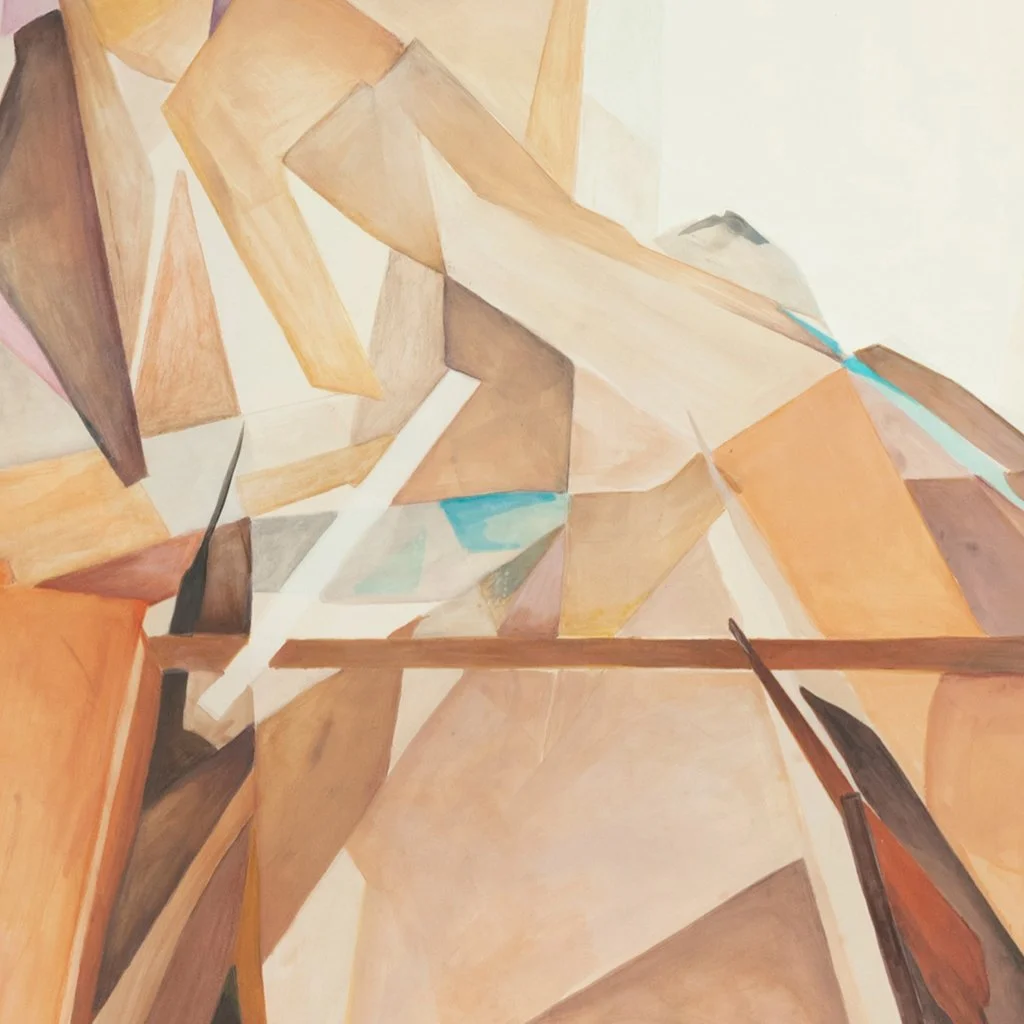
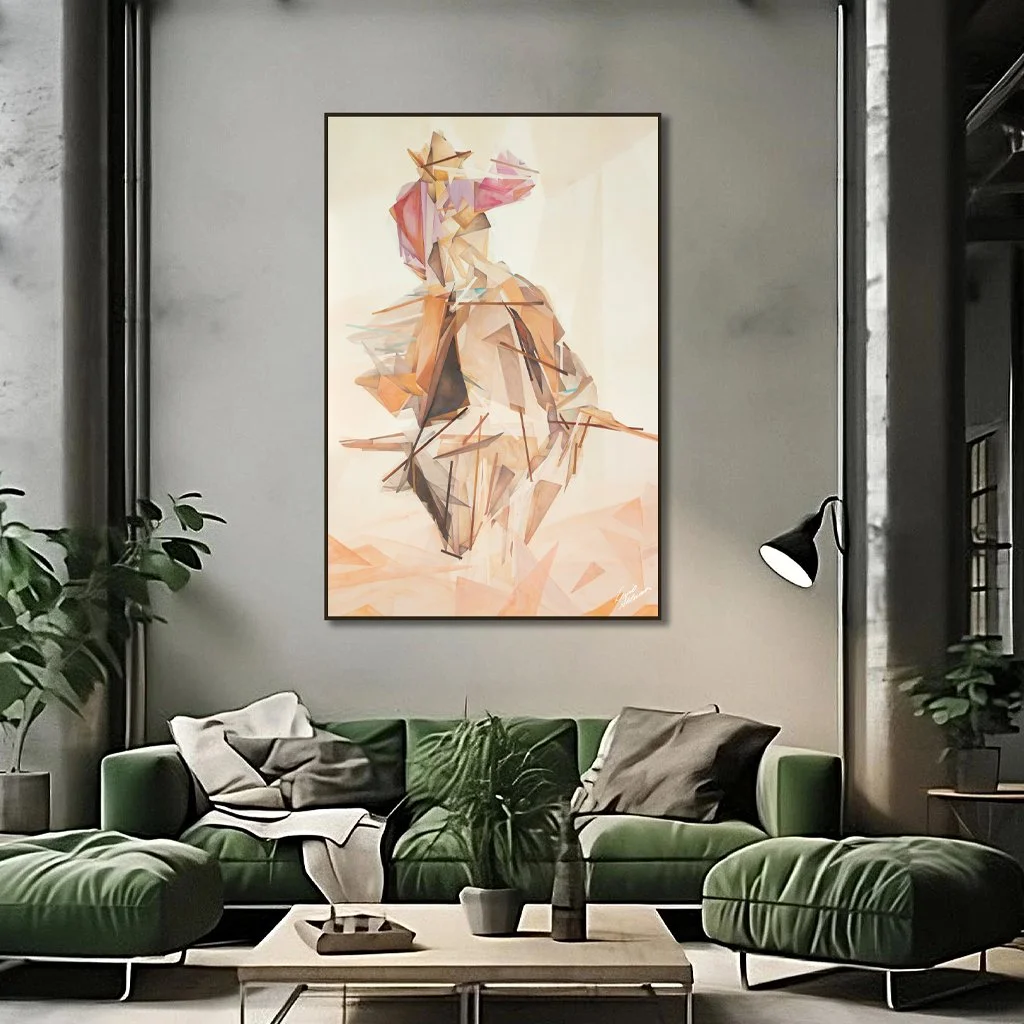
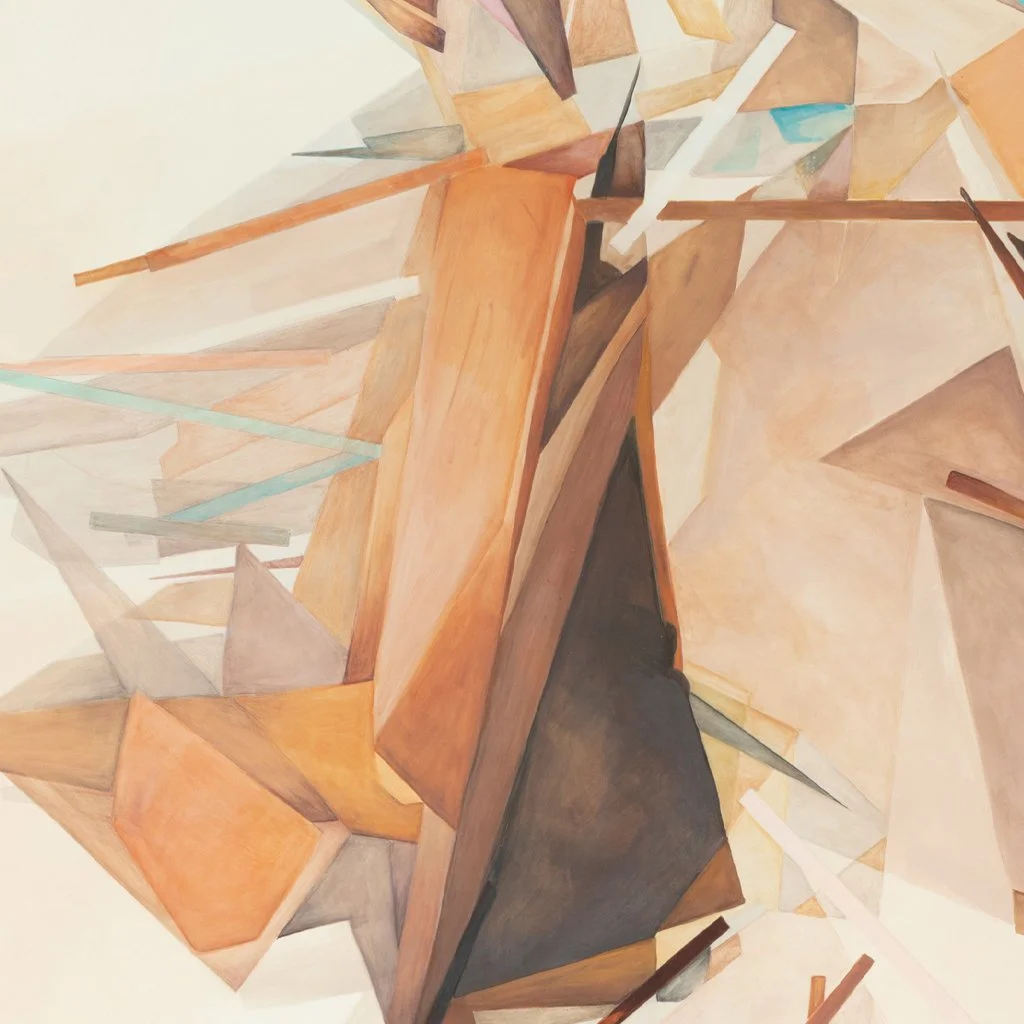
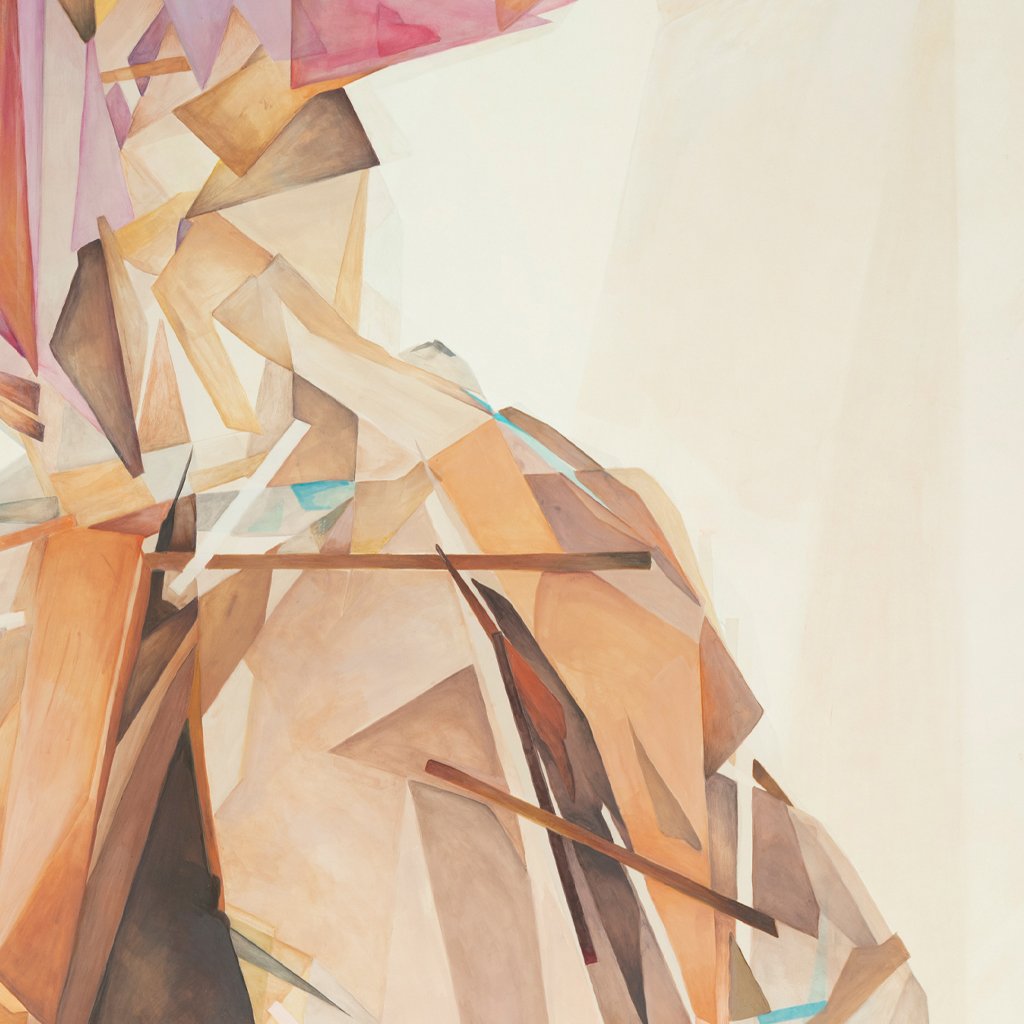
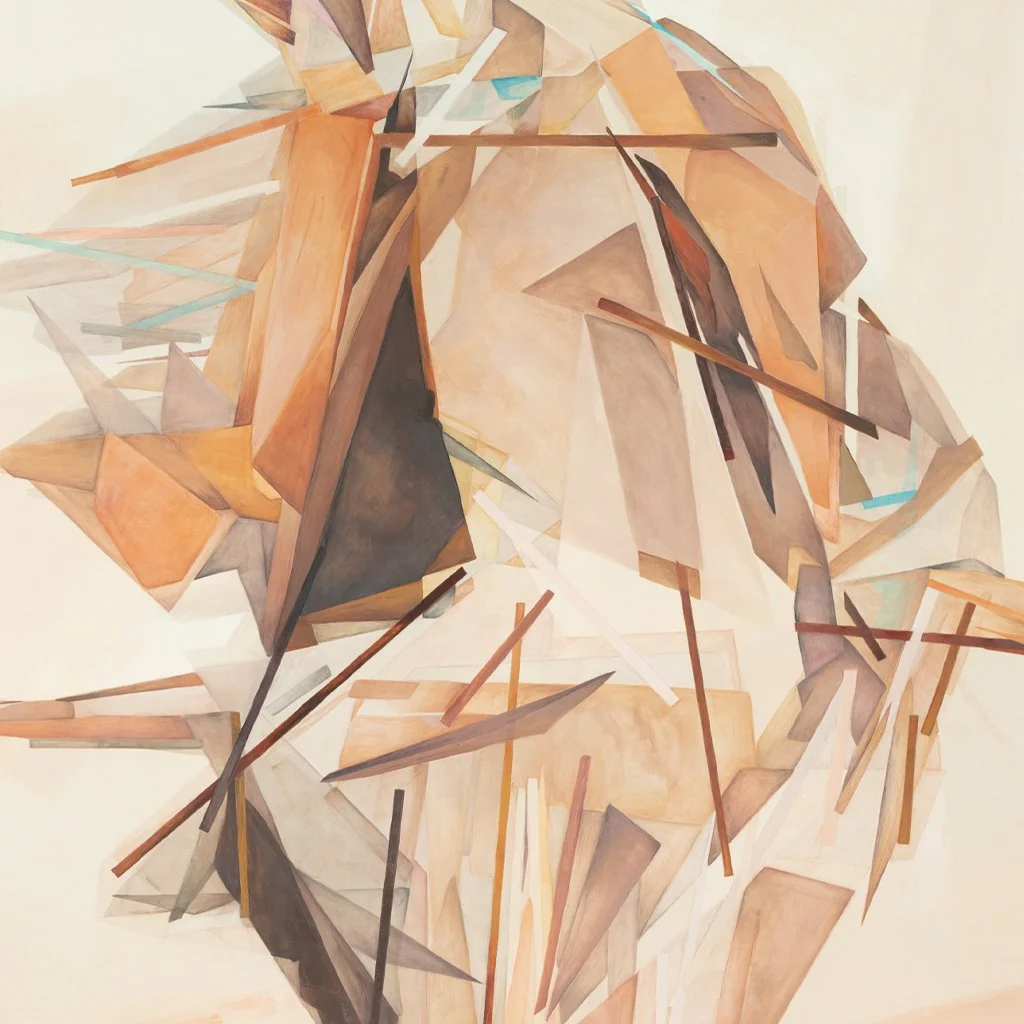
You walk up to the piece and at first, it's just geometry - triangles, angles, planes intersecting. Your brain is working, scanning the forms, trying to make sense of what it's seeing. Then suddenly, it clicks. You recognize it. A rider. A horse. That moment in the chute before everything explodes. And when that recognition happens, something shifts in your body. Your posture changes. Maybe your breath catches. The physiology follows the recognition, not the other way around.
This is what makes it fascinating - you don't feel tense because the triangles are "aggressive." You feel it because your brain just assembled those geometric pieces into a moment you understand, and that understanding triggers the physical response. It's the recognition itself that changes you.
What's Actually Happening
This piece works through form constancy - your brain's ability to recognize stable forms regardless of how they're presented. The triangles aren't there to make you feel something. They're there because they're the geometric language your brain uses to construct meaning. Each triangle is information: direction, plane, relationship. Your visual cortex takes these geometric pieces and assembles them into something recognizable.
When your brain successfully resolves those forms - when it recognizes "rider on horse in chute" from the geometric information - that's when your neurophysiology changes. Professor Semir Zeki's research documents this: the moment of recognition, when your brain achieves constancy and understands what it's looking at, creates measurable shifts in neural activity.
This is why the geometry matters. Not because triangles "feel" a certain way, but because they're the precise forms your brain needs to construct the subject. The triangular planes give your visual system the information it needs to understand spatial relationships, to see the rider's position, the horse's coiled energy, the compression of that moment before the gate opens.
The Artist's Vision
The inspiration came from a specific moment at a rodeo in Pagosa Springs. A cowboy rode his own horse up to compete in the bronc event - not a truck, not walking, but riding in on his horse. There was something about that image, that relationship between rider and animal before the competition even began, that captured the essence of what rodeo is. The trust, the partnership, the understanding between human and horse that exists right up until the moment the chute opens and it becomes pure contest.
That's what the geometry captures - not the photographic details, but the essential forms that let your brain recognize that relationship, that moment. The triangular forms aren't expressing emotion - they're giving your brain the information it needs to construct the subject. And once your brain recognizes what it's seeing, once it assembles those geometric pieces into "rider and horse in that moment before," that's when the physical response happens. Your body reacts to what you've recognized, not to the shapes themselves.
This is how vision actually works. Your brain doesn't passively receive images - it actively constructs meaning from geometric information. The triangles in "STORM" are that information, precisely arranged so your visual system can do what it evolved to do: recognize forms, understand spatial relationships, and construct a coherent picture of reality.
The physiology changes because recognition changes you. When your brain successfully resolves those forms and understands what it's seeing, you're not just looking at art anymore - you're experiencing the documented neurological shift that happens when geometric information becomes recognized meaning.